Current Projects

Climate Smart Community Certification Assessment
One of the major goals of this partnership is encouraging local communities go become active in the NYS Climate Smart Communities Program. By becoming a certified Climate Smart Community, a municipality opens itself up to increased levels of funding and takes a giant step towards furthering its climate resilience.
Project partners continue their work assisting Hudson Valley municipalities in completing an assessment of completed CSC certification actions and recommendations for remaining actions the municipality should pursue to achieve CSC certification. Along with this, the Partnership is assisting some communities with the submission of documentation for CSC Certification, using the Climate Smart Communities online portal.
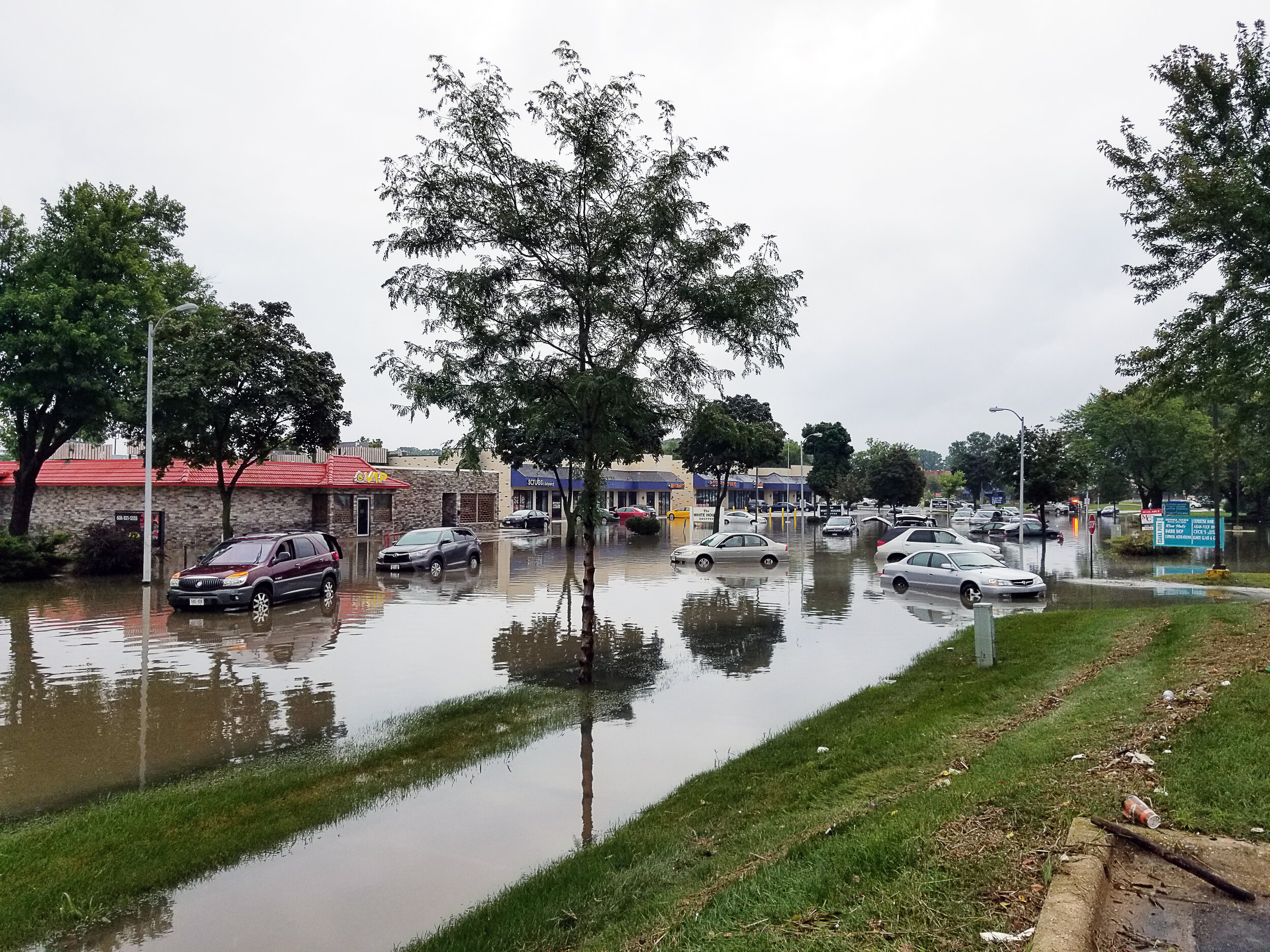
Climate Smart Resilience Planning Tools
A component of submission to and certification in the Climate Smart Communities Program, the Partnership develops Climate Smart Resilience Planning Tools for communities aimed at helping them to identify deficiencies & gaps in local plans, develop specific recommendations for the community to address them, and ultimately provide a summary report that the community can carry forward.
The development of these tools requires a close partnership and active engagement with the municipality and involves a review of all of the municipality's identified plans, codes and ordinances.
Climate Change Education & Engagement: Disaster Preparedness Information for Municipal Websites

Following the guidelines for Climate Smart Communities action PE9: Climate Change Education & Engagement, educators compile relevant local information residents might need in the event of a climate disaster. This information is posted on a new disaster preparedness webpage on the community website. Educators also create a series of social media posts for municipal officials to share. The social media series highlights specific disasters that might occur in the community and information on how to best prepare. Communities will also receive a rack card on disaster preparedness to share with residents who may not have access to the internet.
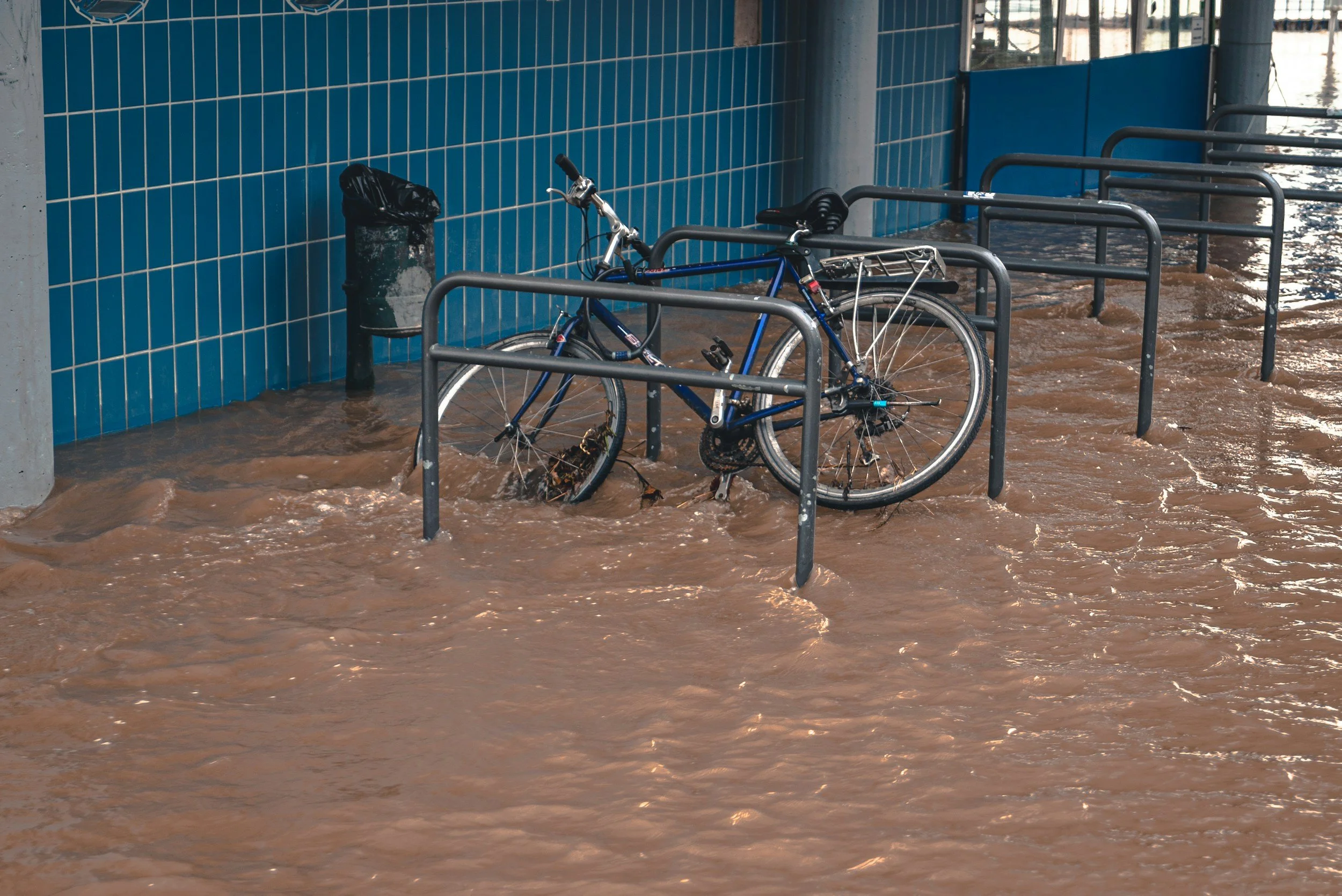
Climate Change Education & Engagement: Municipal Flood Guides
Following the guidelines for Climate Smart Communities action PE9: Climate Change Education & Engagement, educators compile relevant local information residents might need in the event of a flood. This information is compiled into a waterproof brochure that is made available to all community members residing in the municipality.
Heat Emergency Plans
Extreme heat events, like heat waves, are often referred to as “silent killers” because they can last for multiple days and their impacts are not always easy to observe. They can be particularly dangerous to children, the elderly, the sick, the socially isolated, and non-English speaking populations. According to the Fourth National Climate Assessment, average annual temperatures in the Northeast are expected to increase by 4.0°F to 5.1°F by 2050. The Northeast region is also predicted to see an increase in the frequency, intensity, and duration of extreme heat events occurring each year. With these changes, New York can expect to see an increase in heat-related illnesses and deaths. Because these health impacts can be reduced by having a heat emergency plan and local adaptation resources in place ahead of a heat event, the Climate Smart Communities (CSC) program recommends that municipalities foster efforts to create heat emergency plans.


Climate Resilience Vision
One of the first and most important steps in a community’s path towards increased climate resilience is to develop a formalized vision. With this in mind, project partners have been assisting communities with developing a climate vision that fits into regional and statewide resilience goals.
During the visioning process, The Climate Resilience Partnership closely collaborates with a municipality to gather input from a diverse array of stakeholders about local vulnerabilities and community assets, and how they envision themselves as a climate resilient community in the future. CCE staff then use the community input to create a brief, inspirational statement and vision document that reflects the community’s aspirations and values with regards to building local resiliency to climate change.

Culvert & Bridge Inventories and Management Plans
Working closely in tandem with municipalities’ Highway Departments, the Partnership assists Hudson Valley communities with the development of road-stream crossing (bridges & culverts) inventories and management plans. These documents rely heavily on culvert data assessed in the field by staff and partners using the North Atlantic Aquatic Connectivity Consortium (NAACC) protocol and provide the community with a complete inventory of its road-stream crossing assets, including structure quality, aquatic organism passability, and flood resilience.